What is architectural aluminium?
Architectural aluminium is an umbrella term for technical roofline systems that offer effective rainwater management and aesthetic appeal, while adding other protective benefits for the external elements of both domestic and commercial buildings.
What role does architectural aluminium play in effective rainwater management?
Architectural aluminium products play an important role in effective rainwater management. Particularly by incorporating a flat, angled or sloped design that creates a natural drainage path for the water, facilitating surface run-off.
This run-off can then be collected in your gutters and channelled into your downpipes, preventing rainwater accumulation which, in turn, protects against mould and leaks.
What are the best architectural aluminium products for rainwater management?
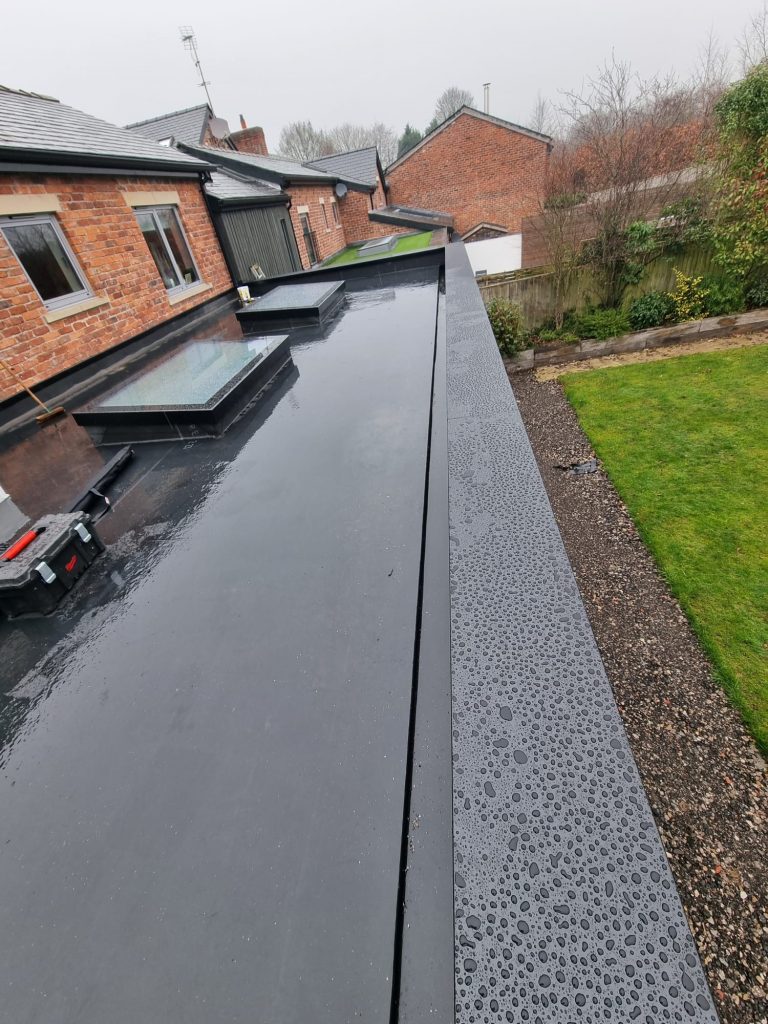
- Capping: Aluminium capping, otherwise known as coping, refers to a decorative aluminium detail, usually fitted to the tops of parapet/perimeter walls to create a secondary barrier for water protection. This seal prevents rust, mould and pests.
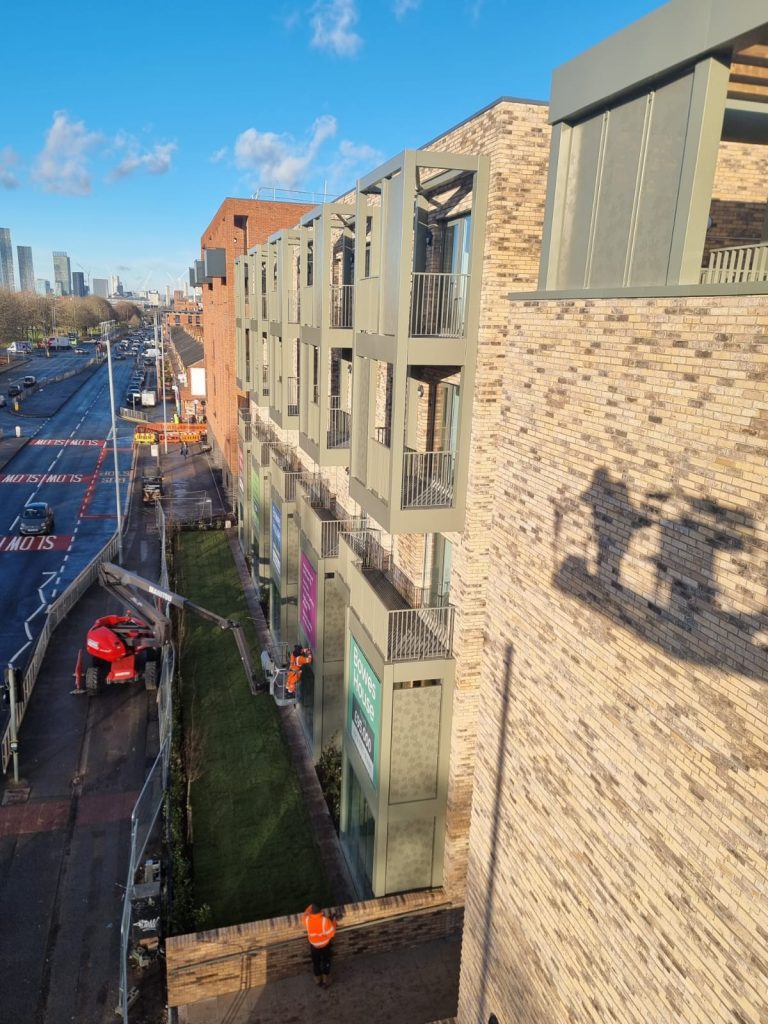
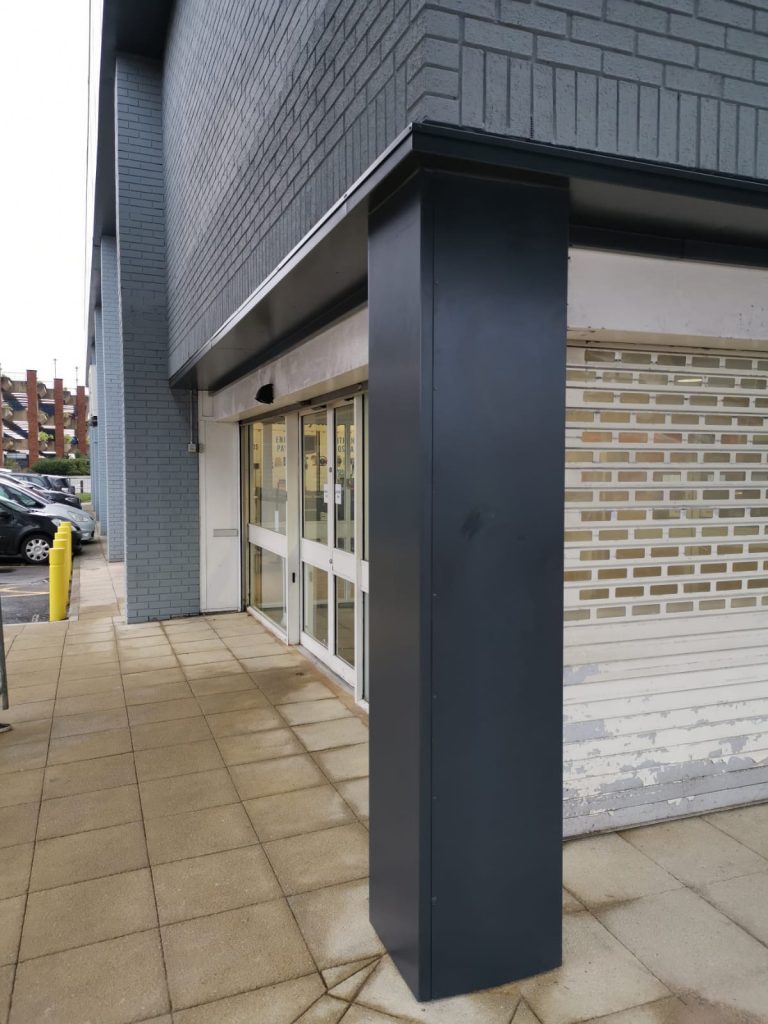
- Cladding: Aluminium cladding is applied on top of the existing materials at your property in order to add a layer of thermal insulation, weather-resistance and aesthetic appeal.
- Fascia: Aluminium fascia is a weather and corrosion-resistant panelling installed beneath the roof of your building to protect against rust, moisture and insects. Adding structural integrity and aesthetic appeal, fascia also supports the weight of your guttering system while concealing your roof’s rafters and trusses.
- Soffits: Aluminium soffits refer to the protective panelling that runs beneath the eaves of your roof, shielding the rafters from the elements (e.g. heavy rain, snow, direct sunlight, etc.).
Key features to look for in architectural rainwater products:
- Flow capacity: The product’s size and profile must be able to handle the anticipated volume of rainwater. This is especially important for areas prone to high levels of rainfall. Luckily, our architectural aluminium has around 3 times the flow capacity of common plastic alternatives!
- Durability: As rainwater products are external, they will need a long lifespan and sufficient resilience against harsh environmental conditions. That’s why our architectural rainwater range offers a lifespan of around 30+ years.
- Sustainability: As sustainability climbs higher up the list of priorities for the UK’s construction industry, it’s becoming more and more important for tradespeople to make sure their projects are ‘green’. Naturally abundant, aluminium is a non-carbon material that is 100% recyclable.
What are the benefits of architectural aluminium products compared to wood?
- No rotting: Ideal for external applications, aluminium will not rot, rust or corrode. Whereas, if rainwater penetrates wood, this can lead to mould growth which impacts its structural integrity.
- 100% recyclability: Known as the ‘green metal’, aluminium is 100% recyclable – infinitely. Meaning it can be recycled repeatedly without losing its quality. On the other hand, wood’s recyclability depends on its classification and grade, making the majority of wooden products single-use.
- Low maintenance: Our highly durable architectural aluminium products are virtually maintenance-free – so you should never need to replace them! But, if you’re considering wooden alternatives, keep in mind how regularly you’ll have to re-paint them after seasonal wear and tear.
- Malleability: Opposite ends of the spectrum, aluminium can be bent into any shape needed for your building. In comparison, wood tends to be more brittle and can break or splinter easily when being contorted.
Learn more about architectural aluminium vs wooden and plastic alternatives via our professional blog.
What are the differences between powder-coated and anodised architectural aluminium?
Powder coating is a liquid-free, electrostatic dry paint that offers a versatile range of colours and textures for architectural applications. Whereas, anodising is a chemical process that results in a natural, metallic appearance. Here are a few more key differences:
- Versatility: Powder coating offers a much wider selection of colours and textures, with more flexibility in terms of design options.
- Repairability: Powder coated architectural products are much easier to repair on-site, as well as colour-match to existing painted surfaces.
- Durability: Powder coating provides a good level of chip, fade and scratch-resistance.
We can powder coat your architectural aluminium products in any RAL colour of your choice. Browse our colours to find out more, or contact us to get started with your customisation today.
How much does architectural aluminium typically cost to install?
While the costs of installing architectural aluminium can vary, here are a few key factors to consider:
- Quantity: The amount, measurements and specific size of capping, cladding, fascia or soffit you need will directly influence the price.
- Project size & complexity: The larger and more complex your project is, the more resources we will need to complete it efficiently.
- Location in relation to our offices: If your project is far away in relation to our offices, part of the cost may be used to cover travel.
Give us a quick call for your free project quote today: 0161 366 8866.
Which areas does InterCounty Rainwater cover?
InterCounty Rainwater offers supply and installation services for the North West of England, particularly in Greater Manchester, Cheshire, Lancashire and Merseyside. This includes anywhere within a 60-mile radius of our Hyde-based premises, such as:
Stalybridge, Mossley, Dukinfield, Denton, Audenshaw, Ashton-under-Lyne, Droylsden, Glossop, High Peak, Longdendale, Stockport, Buxton, Didsbury, Withington, Chorlton, Oldham, Rochdale, Bury, Heywood, Middleton, Chadderton, Royton, Failsworth, Lees, Shaw, Milnrow, Saddleworth, Bolton, Salford, Worsley, Hebden Bridge, Littleborough, Todmorden, Altrincham, Trafford, Stretford, Urmston, Flixton, Wigan, Wythenshawe, Timperley, Hazel Grove, Bramhall, Prestwich, Hale, Lymm, Mottram, Prestbury, Bollington, Poynton, Prestwich, Whitefield, Irlam, Warrington, St. Helens, Widnes, Runcorn, Rossendale, Rawtenstall, Bacup, Marple, Blackburn, Burnley, Blackpool, Preston, Hyndburn, Macclesfield, Northwich, Wilmslow, Handforth, Heaton Chapel / Moor / Mersey / Norris / Park, Whaley Bridge, Alderley Edge, Knutsford, Cheadle, Middlewich, Holmes Chapel, West Yorkshire, Calder Valley, Calderdale, Kirklees, Derbyshire, Halton, Wyre, Fylde and more.